Emergency Appliance Repairs: What to Do When Your Kitchen Stops Working
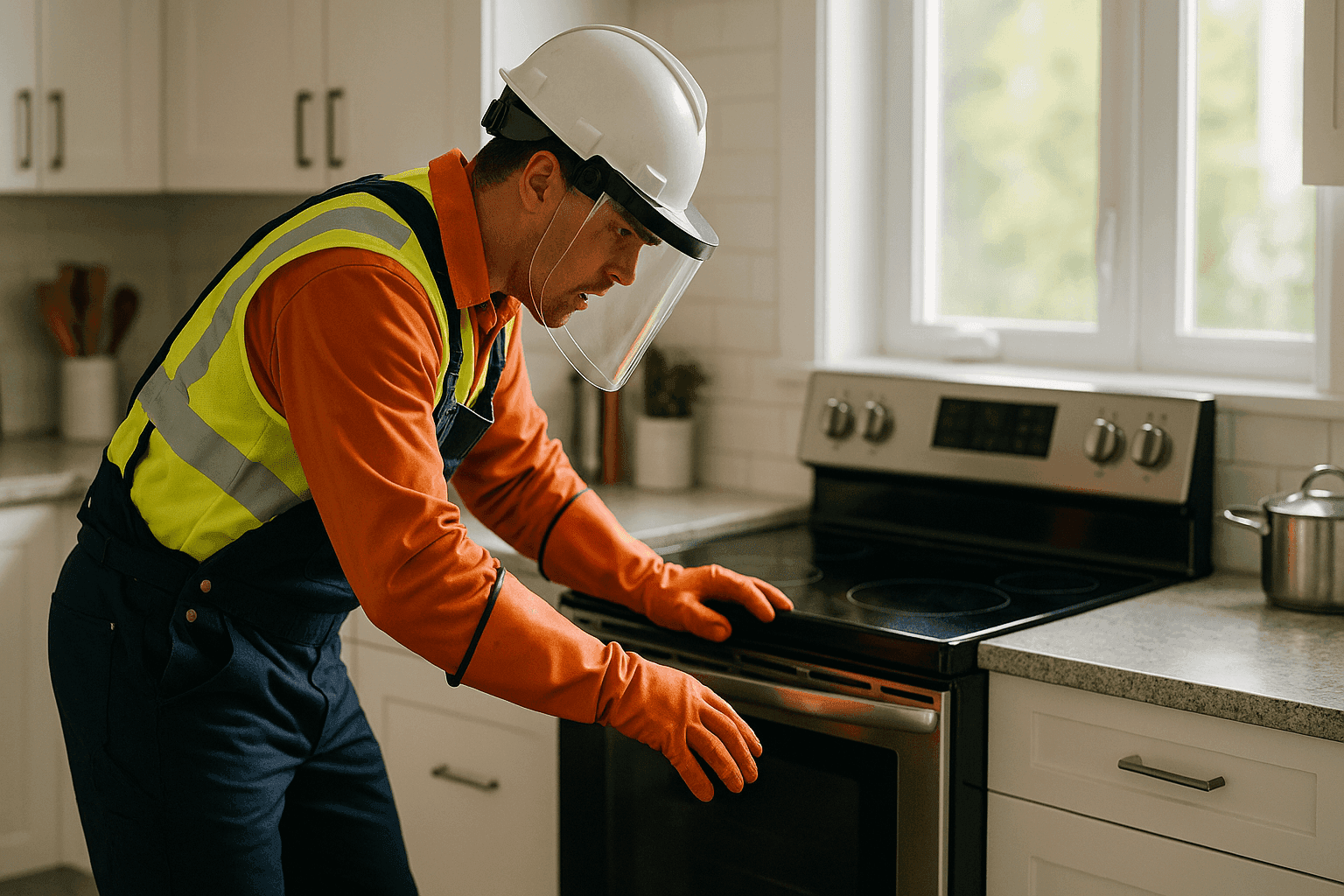
When your kitchen stops working—right before a dinner party, during a holiday, or in the middle of a storm—it feels like the universe has pressed "pause" at the worst possible time. Appliances that hum along day after day suddenly go silent, or startle you with beeps, leaks, or burning smells. Panic can set in fast.
At The Appliance Repair Specialist, we know what’s at stake when a refrigerator fails or an oven goes dark. Food, safety, and peace of mind are on the line. Let’s break down what to do, how to stay safe, and how to get your kitchen—and your life—back on track.
First Steps for Appliance Emergencies ⚡
The clock is ticking. Here’s how to keep damage (and danger) to a minimum while you wait for professional appliance_repair:
-
Unplug the Appliance
If it’s safe, pull the plug. This stops further damage and eliminates electrical risk. Don’t force it if you smell burning, see sparking, or the cord is wet. -
Shut Off Water or Gas
For leaks or strange smells, locate the water valve or gas shutoff. Twist it closed. This simple step can prevent flooding or even a fire. -
Check Circuit Breakers
Lost all power to the oven or microwave? Head to your breaker box. Sometimes, a tripped breaker is the culprit. If it trips again, call in a pro—there’s likely an underlying issue that needs expert attention. -
Contain the Problem
Place towels around leaks. Move food from a failing fridge or freezer to a cooler with ice. Open windows for ventilation if there’s smoke or fumes. -
Never Use Damaged Appliances
If you hear popping, smell burning, or see smoke, do not try to use or “test” the appliance. Safety comes first.
When to Call Emergency Repair Services
Not sure if it’s urgent? Here are clear signals it’s time to reach out for emergency appliance_repair:
- Sudden power loss to major appliances
- Sparks, smoke, or burning odors
- Water pooling from dishwashers or refrigerators
- Gas smell near ranges, ovens, or cooktops
- Critical appliances failing right before important events
- Noisy, grinding, or overheating motors
For commercial kitchens, downtime means lost revenue and unhappy customers. For homes, spoiled food or a ruined event is the least of your worries if safety is at risk. Don’t wait—quick action can prevent damage from spreading.
Staying Safe Until Help Arrives
The minutes before a technician arrives are crucial. Here’s how to keep your family, staff, and property safe:
-
Keep Kids and Pets Away
Curious hands and paws can turn an inconvenience into an injury. -
Avoid DIY Repairs on Live Appliances
Even if you’re handy, electrical and gas appliances hide invisible dangers. Don’t take risks. -
Ventilate if Needed
Open windows to clear smoke or fumes. If you suspect a gas leak, leave the area immediately and contact your gas provider and repair service. -
Don’t Move Heavy Appliances Alone
Wait for help. Moving stoves, fridges, or washers can cause injury—or make a small leak much worse. -
Monitor Leaks and Clean Up Water
Water and electricity don’t mix. Mop up standing water if you can do so safely, and keep the area clear.
Real-World Scenarios: What Can Go Wrong
Let’s paint the picture:
- Refrigerator failure during a storm: Power flickers, then your fridge goes quiet. Every minute counts—food warms up fast, and leaks can form as ice melts. Acting quickly can save hundreds in groceries and prevent water damage.
- Oven breakdown before a family gathering: The turkey’s prepped, but the oven won’t heat. You’re left scrambling to salvage a holiday meal. Emergency appliance_repair can make the difference between a ruined feast and a minor hiccup.
- Water pooling under your dishwasher during a busy dinner rush: In a restaurant or catering kitchen, leaks can shut down the line. Fast action keeps the doors open and customers happy.
Emergency Appliance Safety Checklist
- Unplug malfunctioning appliances (if safe)
- Shut off water or gas supply
- Check breakers for tripped switches
- Use towels or buckets to contain leaks
- Keep children and pets away
- Avoid using the appliance until it’s fixed
- Ventilate for smoke or fumes
- Don’t attempt risky DIY fixes
DIY vs. Calling in a Professional
There’s a time for DIY—and a time to step back.
- Simple fixes: Resetting a tripped breaker, tightening a loose plug, or cleaning a clogged filter.
- Call a professional: For anything involving electricity, gas, persistent leaks, or major appliances that won’t start. Issues like control panel failures, heating element repairs, and microwave repairs require specialized tools and know-how.
The National Fire Protection Association (NFPA) and U.S. Consumer Product Safety Commission both stress: never attempt repairs on live electrical or gas appliances unless you’re qualified.
What Appliance Repair Pros Do on Arrival
Here’s what you can expect from our rapid-response team at The Appliance Repair Specialist:
- Safety First: We inspect for electrical, gas, and water hazards before touching anything.
- Thorough Diagnostics: Using specialized tools, we pinpoint the cause fast—no guesswork.
- On-the-Spot Repairs: Many emergencies can be fixed in a single visit, thanks to stocked service vehicles and experience with all major brands.
- Clear Communication: We’ll explain what happened, what we’re doing, and what you need to know—no jargon, just straight talk.
- Cleanup: We leave your kitchen safe, tidy, and ready for use.
Prevention & Maintenance: Stay Ahead of Emergencies
You can’t predict every breakdown, but regular care goes a long way. Here’s how to stack the odds in your favor:
- Schedule routine filter and coil cleaning for refrigerators, dryers, and dishwashers.
- Inspect hoses and seals on washers and dishwashers for cracks or wear.
- Keep vents and fans clear to prevent overheating.
- Listen for unusual noises—rattles, grinding, or buzzing are early warning signs.
- Test GFCI outlets and breakers in kitchens and laundry areas.
- Don’t ignore error codes or flashing lights—these are your appliance’s way of asking for help.
Refer to your appliance’s manual and local fire safety codes for specific maintenance tips.
Costs & Time Factors: What to Expect
Emergency repairs can feel unpredictable. Here’s what typically factors in:
- Type of Appliance: Complex systems (like control panels or built-in ovens) may take longer than simple part swaps.
- Severity of Damage: Minor leaks are quicker to fix than a burned-out motor.
- Parts Availability: Some brands have parts on hand, while rare models might require ordering.
- Time of Service: After-hours or weekend calls may cost more due to urgency.
The real value? Preventing bigger disasters—like flooding, fires, or spoilage—that can cost much more down the line.
When It’s Truly an Emergency
Certain situations call for immediate help:
- Electrical burning smell, smoke, or visible fire
- Gas leaks or rotten egg odor
- Major water leaks threatening floors or walls
- Critical appliance failure during commercial operations
- Oven, fridge, or freezer failure before a holiday, event, or gathering
If in doubt, err on the side of caution and call for emergency appliance_repair. Your safety is worth it.
Frequently Asked Questions
Q: How fast can emergency appliance repair happen?
A: Response times vary, but we prioritize emergencies—most calls are handled same-day or within hours, depending on the situation and location.
Q: Is it safe to move food to another fridge or freezer?
A: Yes, as soon as you notice a fridge failing, transfer perishable items to a cooler with ice or a neighbor’s appliance. The FDA recommends keeping food at or below 40°F to prevent spoilage.
Q: Are emergency repairs covered by insurance?
A: Some home and business insurance policies cover damage from appliance failure, such as floods or fires. Check your policy and document the incident for claims.
Q: What appliances can you fix in an emergency?
A: We handle all major kitchen and laundry appliances—fridges, ovens, microwaves, dishwashers, washers, dryers, wine coolers, and more.
Local and Seasonal Considerations
- Storm Season: Power outages and surges are common—prep with surge protectors and backup coolers.
- Holidays: Demand spikes for oven and fridge repairs; don’t wait until the last minute for maintenance.
- Hot Summers: Fridges and freezers work overtime—clean coils and check seals to avoid meltdowns.
- Commercial Kitchens: Health codes require rapid response for leaks, failed refrigeration, or heating elements.
Refer to local building codes and fire department guidelines for safety measures specific to your area.
When disaster strikes your kitchen, fast action and professional support make all the difference. Don’t risk injury, property damage, or ruined plans. For immediate appliance_repair—whether it’s Microwave Repair near you, emergency fridge repair, or a stubborn oven—The Appliance Repair Specialist is ready to help.
Call The Appliance Repair Specialist now — or reach us anytime at 877-730-5250 .