Essential Appliance Repair Troubleshooting: Quick Fixes Before You Call a Pro
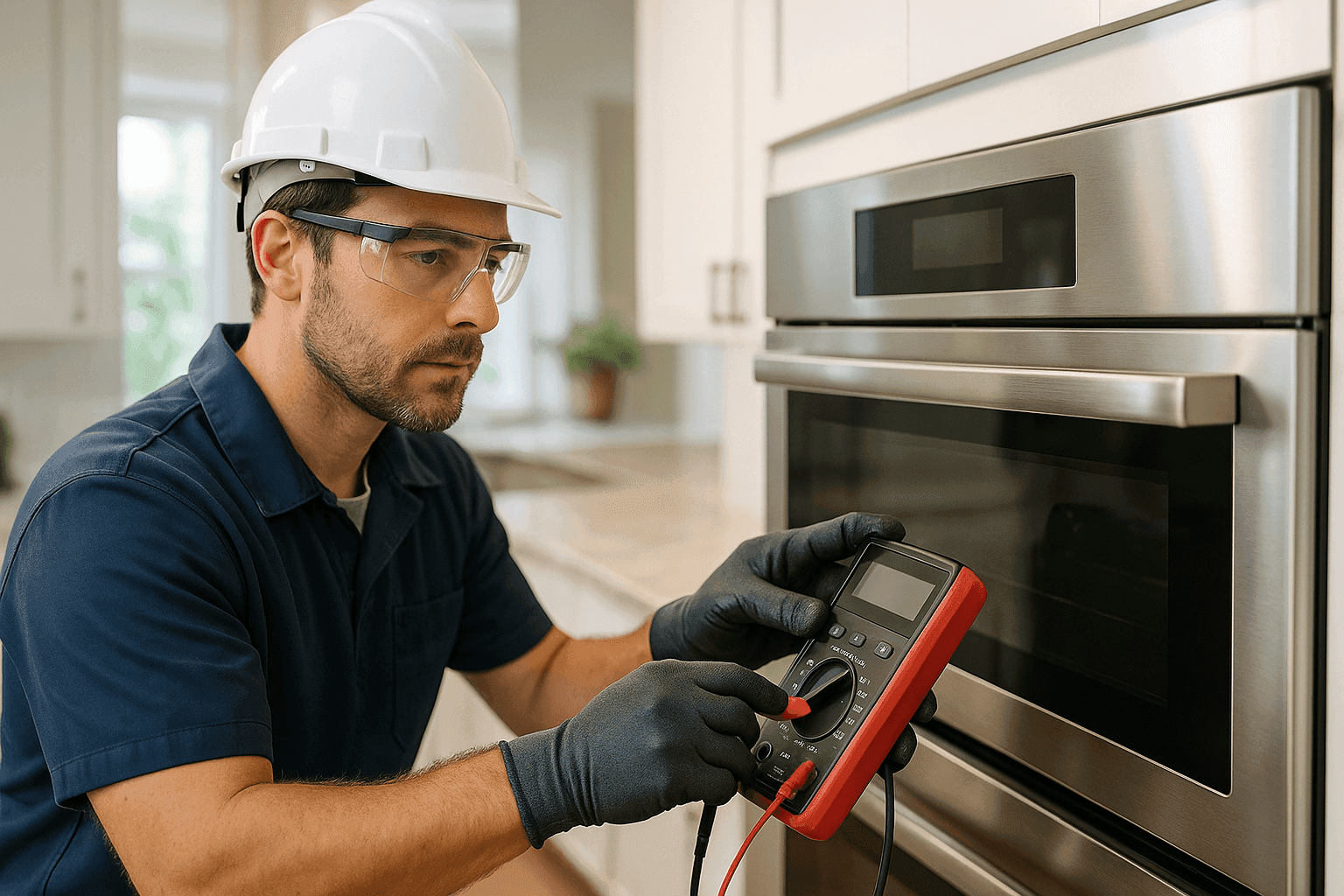
Every home and business relies on appliances. When the microwave stops spinning or the fridge goes warm, the panic is real. Your kitchen goes quiet, but your stress level rises. Before you grab the phone or wrench, a few minutes of safe troubleshooting can sometimes spare you a headache—and maybe even a repair bill.
At The Appliance Repair Specialist, we know the difference between a simple hiccup and a crisis. With decades handling everything from burner repairs to emergency appliance removal, we’re here to guide you through safe, practical steps—before you call in the cavalry.
Safety First: Unplug and Assess ⚡
Before you do anything, remember: appliances are powerful. Electricity and moving parts don’t mix well with curiosity.
- Unplug It: Always disconnect the appliance from power before inspecting, cleaning, or moving it. If it’s hardwired (like a range hood), flip the correct breaker at your panel.
- Turn Off Water: For dishwashers, ice makers, or washing machines, shut off the water valve to avoid surprises.
- Stay Dry: Never touch cords, plugs, or appliances with wet hands or while standing in water.
- Smell Something Burning? If you detect smoke or a burning odor, don’t risk it. Leave the area and call a professional immediately.
These aren’t just suggestions—they’re requirements in the National Electrical Code (NEC) and manufacturer manuals. Safety comes before savings, every time.
Common Symptoms by Appliance Type
When something stops working, the signs can be subtle—or dramatic. Here’s what you might notice and what it could mean.
Microwave Woes
- Won’t turn on: Could be a blown fuse, tripped breaker, or faulty door switch.
- No heat: Magnetron or high-voltage parts may have failed. Unusual noises? That’s a red flag.
- Turntable stuck: Check for obstructions or a misaligned roller ring.
Refrigerator / Freezer Frustrations
- Not cooling: Dirty condenser coils, failed thermostat, or compressor trouble.
- Leaking water: Clogged defrost drain or damaged water supply line.
- Ice maker not working: Could be as simple as a stuck arm or frozen fill tube.
Washer & Dryer Dramas
- Washer won’t spin or drain: Lint, coins, or even socks can block the pump or hoses.
- Dryer not heating: Lint buildup in the vent, tripped thermal fuse, or a fried heating element.
- Unusual noise: Foreign objects or worn bearings.
Oven & Stove Setbacks
- Oven won’t heat: Faulty igniter, blown fuse, or control board issue.
- Burners won’t light: Loose connections, dirty ports, or bad switches.
- Error codes: Modern ovens may flash codes—check your user manual for clues.
Dishwasher Dilemmas
- Not draining: Blocked filter, kinked drain hose, or faulty pump.
- Dishes still dirty: Spray arms clogged or filter needs cleaning.
- Leaking: Door gasket damage or too much detergent.
Simple Checks You Can Do
Sometimes, the solution is hiding in plain sight. Here’s where to look first:
- Power Supply: Ensure outlets have power. Plug in a lamp to test. Reset any tripped GFCI or circuit breakers.
- Filters: Lint filters (dryers), air filters (fridges), and drain filters (washers/dishwashers) should be cleaned regularly.
- Water Supply: Make sure valves are open and hoses aren’t kinked.
- Settings: Double-check that controls aren’t accidentally on “delay” or “child lock.”
- Doors & Latches: Most machines won’t run unless doors are fully closed and latched.
You’d be surprised how often a loose plug or forgotten switch is the real culprit.
When to Defer to a Professional
If you spot any of these warning signs, put down the screwdriver:
- Burning smells, smoke, or visible sparking
- Significant leaks (water or refrigerant)
- Repeated blown fuses or tripped breakers
- Unusual sounds (grinding, popping, or loud humming)
- Error codes you don’t recognize
Modern appliances are like puzzles. Some pieces are best left untouched unless you’re trained. Attempting a fix could void your warranty or create hazards.
What Pros Do On Arrival
When you call The Appliance Repair Specialist, here’s what to expect:
- Thorough Visual Inspection: We check power, connections, and visible components.
- Diagnostic Testing: Using manufacturer-approved meters and tools.
- Safe Disassembly: We open panels only when it’s safe and necessary.
- Clear Explanation: You’ll get a plain-English summary of the problem and options.
- OEM Parts: Repairs use original equipment manufacturer parts whenever possible.
- Code Compliance: Work is performed according to local code and manufacturer safety guidelines.
We believe in transparency. If a repair isn’t cost-effective, we’ll tell you.
Prevention & Maintenance
The best repair is the one you never need. Some habits can save appliances—and wallets:
- Clean filters and vents every 1–3 months.
- Wipe spills inside ovens and microwaves after use.
- Vacuum fridge coils twice a year.
- Run dishwashers and laundry machines empty with vinegar for a fresh start.
- Check hoses for cracks and replace them every five years.
- Don’t overload washers or dryers.
The U.S. Consumer Product Safety Commission recommends regular inspection of appliance cords and plugs for wear.
Costs & Time Factors
Repair costs and timelines can vary, but here are some ballpark ranges:
- Minor fixes (filter replacement, basic cleaning): 15–30 minutes
- Mid-level repairs (thermostats, switches, hoses): 30–90 minutes
- Major component swaps (motors, control boards): 1–3 hours
Costs depend on the appliance type, parts needed, and complexity. Sometimes, replacing an old appliance is the smart move—especially if it’s near the end of its lifespan.
When It’s an Emergency 🚨
Some issues can’t wait:
- Sparks, smoke, or fire
- Major water leaks or flooding
- Total loss of refrigeration (especially for commercial clients)
- Gas odors (immediately evacuate and call emergency services first!)
Don’t risk injury or property damage. Shut off power or water if you can do so safely, then call for emergency appliance_repair near you.
Local & Seasonal Considerations
Appliance failures don’t care about your schedule. But let’s be honest: ovens and fridges love to quit right before holidays, family gatherings, or busy weekends.
- Before holidays: Test your oven and stovetop a week ahead. Run the self-clean cycle well before guests arrive.
- Summer: Clean fridge coils and check ice makers—warm weather strains cooling systems.
- Winter: Dryer vents can clog with lint and ice. Heaters and water lines may freeze.
- Commercial kitchens: Schedule preventive maintenance before peak seasons.
A little planning now means less panic later.
FAQ
How often should I clean my dryer vent?
Every 6–12 months, or sooner if you notice slow drying. Lint is a fire risk.
Why does my fridge run constantly?
Dirty condenser coils, a faulty thermostat, or door seal leaks can make your fridge overwork.
Can I reset my oven myself?
Try unplugging it for 1–2 minutes, then plug back in. If the error returns, call a pro.
Is it safe to use my dishwasher if it’s leaking?
No. Water leaks can cause electrical hazards and property damage. Turn it off and get it checked.
When troubleshooting isn’t enough, don’t sweat it. The Appliance Repair Specialist is here for everything from quick microwave fixes to emergency refrigerator repairs, for homes and businesses alike.
Call The Appliance Repair Specialist now — or reach us anytime at 877-730-5250 .